NFL Home Underdog Trends: When to Back the Host at Plus Points
 Available in US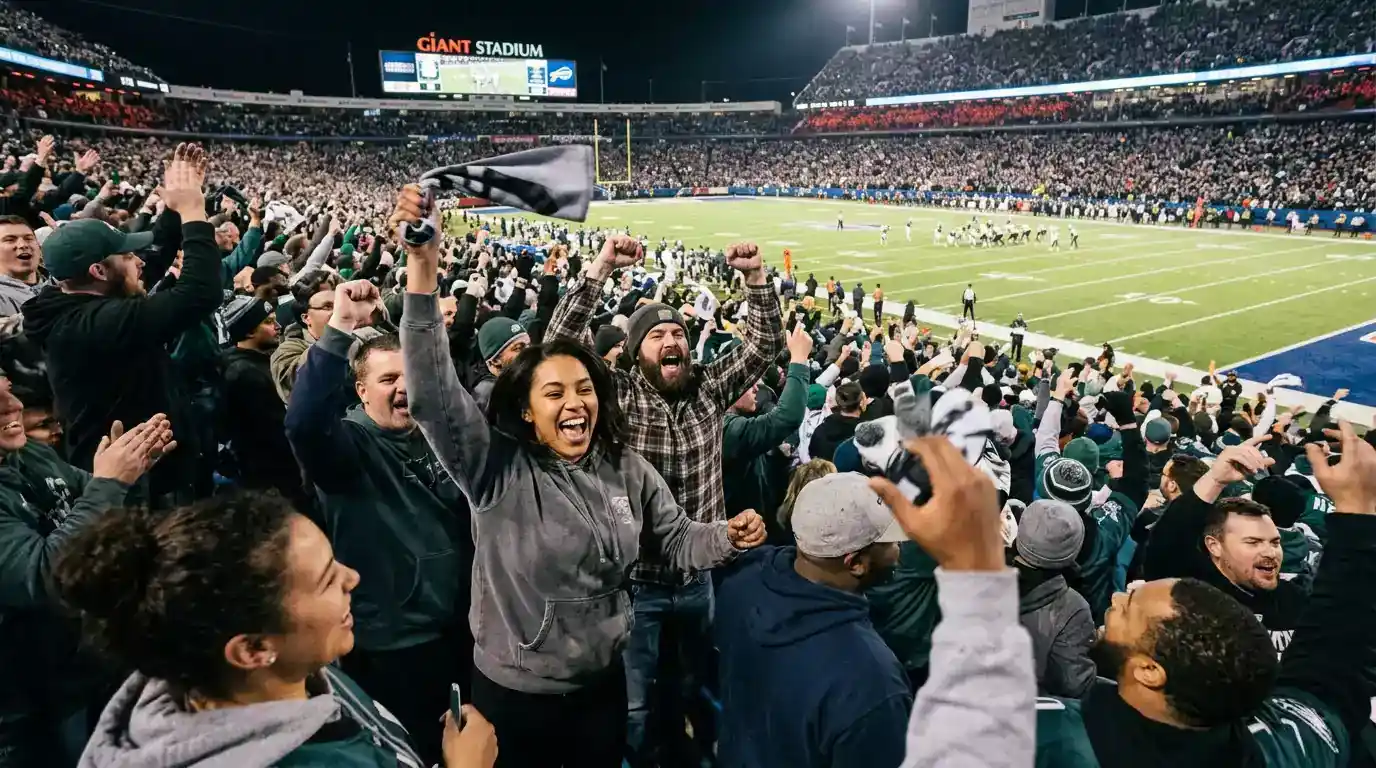
One of my favourite bets from the 2024 season was a home underdog in a divisional game that the public had written off entirely. The team had lost three straight, their starting left tackle was out, and the spread had drifted to +7. I backed them at +7 on a Sunday morning. They won outright. The margin was comfortable. And the market, as it often does with home underdogs in the right situation, had overreacted to narrative while underweighting the structural advantages of playing at home.
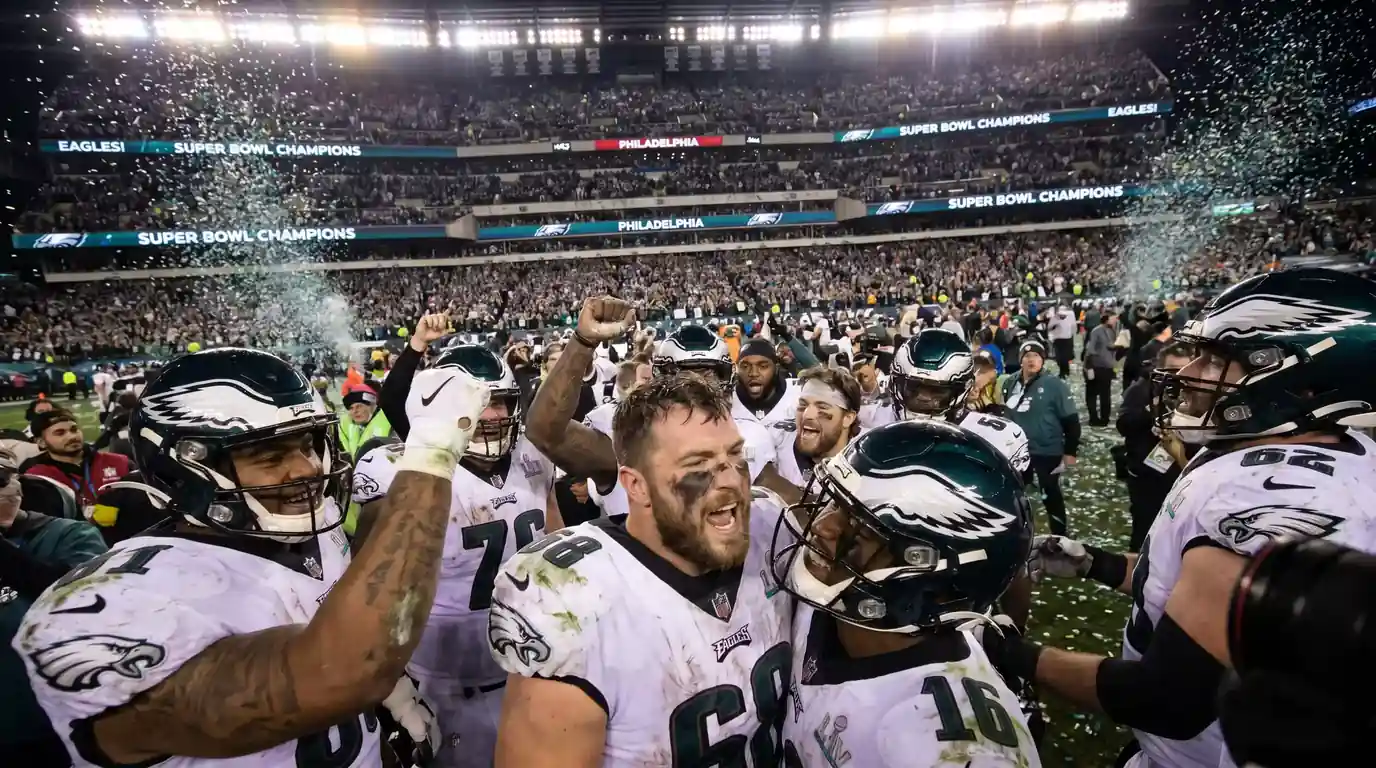
Home underdogs occupy a unique space in NFL betting. The number says the team should lose. The venue says they have invisible advantages that don’t show up in power ratings. The tension between those two forces creates one of the most durable and well-documented edges in the sport – provided you know which situations amplify the advantage and which dilute it.
Why Home Underdogs Cover: Crowd Noise, Travel Fatigue and Market Bias
Point spreads attract 61% of NFL bettors, making it the most popular market per the Optimove NFL Wagering Intentions Report. Within that market, casual bettors overwhelmingly gravitate toward favourites – teams they’ve seen win, teams with star quarterbacks, teams generating positive media coverage. That gravitational pull inflates the spread on favourites beyond what the raw matchup justifies, and the home underdog is the direct beneficiary of that inflation.
Home-field advantage in the NFL is real but declining. The overall home winning percentage has drifted from around 57% in the early 2000s to roughly 53-54% in recent seasons. But “winning percentage” isn’t the relevant metric for bettors – covering the spread is. And home underdogs don’t need to win; they need to lose by fewer points than the market expects. That’s a lower bar, and it’s met more often than the public assumes.
The reasons stack in layers. Crowd noise at its loudest – venues like Seattle, Baltimore, New Orleans, and Kansas City – forces visiting offences into silent counts, delays snap timing, and generates false starts. Travel fatigue affects West Coast teams travelling east for early kickoffs more than any other scheduling combination. Familiarity with the playing surface, weather conditions, and altitude (Denver, specifically) provides marginal but compounding advantages. None of these factors alone moves the needle significantly. Together, across a full game, they shave 1-2 points off the visiting favourite’s expected margin – and when the spread is set tight, that shave often determines whether the underdog covers.
Market bias is the most important factor. Bookmakers set lines to attract balanced action. When the public pounds a road favourite – because the favourite is a name brand, because they won last week, because the TV pundits picked them – the line adjusts to accommodate that money. A “true” line of -4 might get pushed to -5 or -5.5 by public action, creating artificial value on the home underdog at +5 or +5.5. The underdog didn’t become a better team. The market made their price more attractive.
Situational Filters: Divisional, Primetime and Short-Week Games
Blindly backing every home underdog is not a winning strategy. The edge lives in specific situations, and applying the right filters separates profitable execution from noise.
Divisional home underdogs are the strongest filter I’ve identified. When teams from the same division meet, familiarity compresses the talent gap. Coaching staffs know each other’s tendencies intimately, game plans are tighter, and defensive coordinators scheme specifically for the opponent’s best players. That compression benefits the underdog disproportionately because the favourite’s schematic advantages – often the basis for the spread – are partially neutralised. Unders in divisional games hit at roughly 57% historically per Pickswise analysis, and the home underdog ATS record in divisional matchups is notably stronger than in non-divisional games.
Primetime home underdogs – Thursday, Sunday night, and Monday night games – have historically performed well against the spread. The extended preparation time for nationally televised games helps the underdog more than the favourite. A team that’s already expected to win doesn’t gain much from an extra day of game-planning. A team that needs to scheme around a talent disadvantage benefits significantly from additional preparation. The public also tends to overvalue primetime favourites because the spotlight amplifies the favourite’s perceived dominance.
Short-week games – primarily Thursday Night Football – add a physical dimension. The favourite, especially if they played the previous Monday night, faces a compressed recovery and preparation window. The home underdog, particularly if they played the previous Sunday at 1 PM, has had almost the same rest period and the additional advantage of not travelling. That scheduling asymmetry has produced some of the most profitable home underdog spots in my tracking.
Late-season games from Week 13 onward amplify the home underdog edge further. Weather becomes a factor at outdoor venues, playoff motivation creates intensity mismatches (a team fighting for a wildcard spot versus a team that’s clinched), and the cumulative fatigue of a 17-game season erodes the physical advantages that made the favourite the favourite in September. This is the stretch of the calendar where I increase my exposure to home underdog plays.
Applying the Trend at UK Bookmakers
UK-licensed bookmakers display NFL spreads in the same format as US sportsbooks – a team at +6.5, for example, with decimal odds around 1.91. The mechanics are identical. What differs is the depth of alternative lines available and the speed at which UK bookmakers adjust to sharp money.
The slower adjustment speed at UK platforms creates a window for home underdog bettors. When sharp money in the US pushes a home underdog line from +6 to +5 (the favourite is being bet down, reducing the underdog’s points), the corresponding UK line may still sit at +6 for an hour or more. Conversely, when public money inflates a favourite, UK bookmakers sometimes follow the US market with a delay, briefly offering better underdog lines than the sharpest US price.
I maintain accounts at three UK-licensed bookmakers specifically for NFL spread betting. When a home underdog situation passes my filters – divisional, primetime, or late-season with clear market bias on the favourite – I compare the spread across all three before placing. The difference between +6 and +6.5 is the difference between a push and a win on games decided by exactly six points. That half-point matters across a season’s worth of bets.
One practical note: UK bookmakers typically release NFL spreads later in the week than US sportsbooks. Tuesday opening lines are standard in the US; UK platforms often don’t have full NFL lines until Wednesday or Thursday. If your home underdog strategy depends on catching early-week value before the spread moves, checking US lines on Tuesday and comparing to your UK bookmaker on Wednesday can reveal whether the UK number has lagged behind a sharp move.
What is the historical ATS record for NFL home underdogs?
NFL home underdogs have historically covered the spread at a rate slightly above 50%, which is profitable against the standard -110 juice over a large sample. The edge is not massive as a blanket trend, but it becomes significantly stronger when situational filters are applied – divisional matchups, primetime games, late-season scheduling, and short-week advantages all amplify the home underdog ATS performance.
Does the home underdog edge increase late in the season?
The home underdog ATS edge does strengthen from roughly Week 13 onward. Weather at outdoor venues suppresses visiting offences, playoff motivation creates intensity mismatches, and cumulative physical fatigue narrows the gap between favourites and underdogs. Late-season divisional matchups at home are the strongest situational filter for home underdog plays.
Created by the ”nfl bet of the day” editorial team.