NFL Draft Betting: Markets, Mock-Draft Data and Value Angles for UK Punters
 Available in US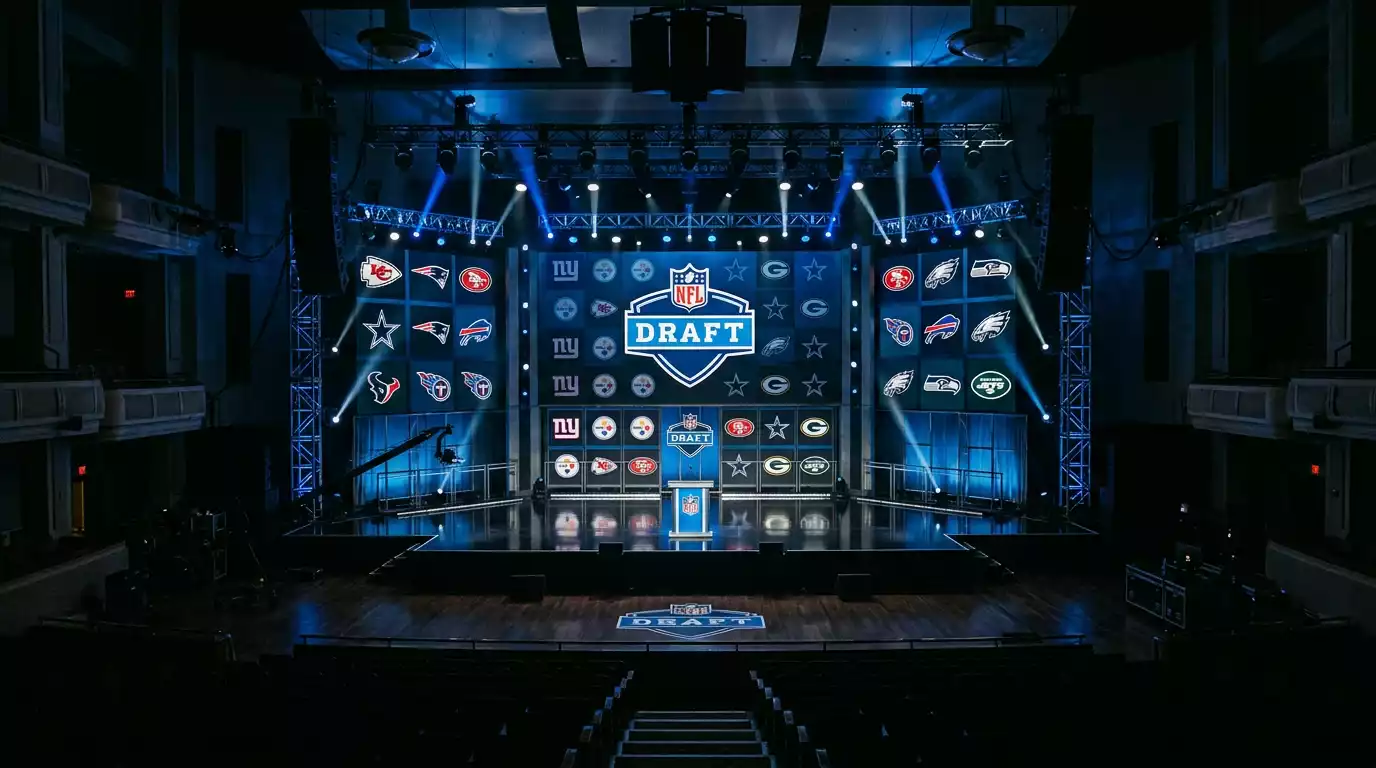
The NFL Draft is one of the few American football events that lands at a reasonable hour for UK audiences – the first round typically starts at 1 AM UK time, making it accessible for those willing to stay up on a Thursday night in late April. But beyond the viewing experience, the draft offers a betting market unlike any other in the NFL calendar. There are no teams playing, no touchdowns being scored, and no weather forecasts to check. The variables are different: front-office strategy, trade rumours, scout consensus, and the chaotic unpredictability of 32 general managers making decisions under pressure.
I’ve bet the NFL Draft for five consecutive years. My results have been mixed – better in player-specific markets, worse in positional group and trade markets – but the process has taught me where genuine informational edges exist and where the noise overwhelms the signal.
NFL Draft Betting Markets at UK Bookmakers
Sixty-eight percent of UK NFL fans are aged 18-44, per the NFL International Fan Tracker via SPORTFIVE. That younger demographic drives engagement with the draft through mock drafts, prospect analysis, and social media speculation throughout the spring. UK bookmakers have responded by gradually expanding their draft market offerings, though coverage remains thinner than for regular-season games.
The primary draft betting market is the first overall pick – which player will be selected number one. This market opens months before the draft and evolves as college seasons end, the Combine takes place, and team-specific needs become clearer. By March, a consensus favourite typically emerges and the odds compress, but upsets happen often enough that value persists for those tracking the information flow closely.
Over/under on draft position for specific players is the second major market. A prospect might have a line set at “over/under 4.5” – will they be picked in the top four or later? This market is directly influenced by mock draft consensus, which provides a publicly available baseline. When the bookmaker’s line diverges from the mock draft consensus, one of them is wrong, and identifying which one requires tracking the quality and recency of the mock draft data.
Position group markets – which position will be drafted first, how many quarterbacks in the first round, first defensive player selected – offer broader bets that don’t require picking a specific player. These markets carry higher variance but also higher potential returns, and they’re often priced less efficiently because the combinations involved resist simple probability estimation.
Using Mock Drafts, Combine Data and Insider Rumours
Mock drafts are the public’s primary tool for draft analysis, and their predictive accuracy is better than critics suggest – but only in aggregate. A single mock draft from a reputable analyst predicts the first overall pick correctly roughly 70-80% of the time in the weeks before the draft. By aggregating 20-30 mock drafts, the consensus prediction for the top 5 picks is correct for approximately 3-4 of those 5 positions. That’s useful, but it still leaves substantial uncertainty.
The betting edge doesn’t come from knowing the mock draft consensus – every bookmaker has access to the same aggregated data. It comes from identifying where the consensus is shifting faster than the bookmaker’s line. Mock drafts update weekly; bookmaker lines update less frequently. When three prominent analysts move the same prospect up two spots in their mocks on a Tuesday, the bookmaker’s draft position line might not adjust until Thursday. That 48-hour gap is the window.
Combine data – the annual event where prospects perform physical tests (40-yard dash, vertical jump, bench press) in front of every NFL team – can create dramatic line movements. A quarterback who runs a faster-than-expected 40-yard dash or a receiver who posts a dominant vertical jump can see their draft stock rise overnight. The market reacts to Combine results, but the initial reaction is often an overreaction. A fast 40 time doesn’t change a player’s film; it changes perception. When the market dramatically reprices a prospect based on a single athletic test, the correction over the following weeks often creates value on the other side.
Insider rumours – reports from connected journalists about team preferences, trade discussions, and private workout impressions – are the most valuable and the most dangerous information source. Legitimate insiders occasionally share genuine intelligence that moves the market before the official pick is announced. But the draft rumour ecosystem is also saturated with deliberate misinformation planted by teams to mislead rivals. Distinguishing between genuine intelligence and planted misdirection requires knowing the reporter’s track record and their source relationships, which is an analytical skill in itself.
Draft Night Live Betting: UK Timing and Opportunities
The NFL staged seven international games in 2025, three of them in London, demonstrating its investment in the UK market. That same market engagement extends to the draft, where UK fans follow the selections in real time. The first round typically runs from 1 AM to approximately 5 AM UK time, with each team having seven minutes per pick in round one (reduced in later rounds).
Draft night live betting is available at some UK bookmakers, with markets updating between picks. As each selection is announced, the remaining prospects’ draft position lines shift, and the market for the next pick opens. The pace is manageable – seven minutes between first-round picks gives you time to assess the market and place a bet, unlike in-play football or NFL game betting where decisions are measured in seconds.
The primary live opportunity on draft night is the ripple effect of surprise picks. When the third overall selection is a player nobody predicted, it reshuffles the remaining board. Prospects who were expected to go third now fall, teams that planned to draft a specific position must pivot, and trade activity spikes. The bookmaker’s live lines adjust, but the speed and accuracy of that adjustment varies between platforms. If your draft preparation included multiple scenario plans (“if Player X goes third, Player Y likely falls to sixth”), you’re positioned to identify mispriced live lines faster than the bookmaker can recalibrate.
My draft night routine for the past three years: I prepare a board of the top 15 prospects with my projected range for each, note 3-4 “upset scenarios” and their ripple effects, and stay awake through the first 10 picks (roughly until 3:30 AM UK time). If a live betting opportunity appears during those picks, I act. After pick 10, the predictability drops sharply and the late hour compromises my judgement, so I close the app and check the remaining results Friday morning. For how draft results feed into the pre-season futures market, the connection is direct: a team that lands a franchise quarterback in the draft sees their Super Bowl and division odds shorten immediately.
Can you bet on the NFL Draft at UK bookmakers?
Several UK-licensed bookmakers offer NFL Draft markets including the first overall pick, over/under on draft position for specific prospects, and position group markets such as the first defensive player selected. Coverage is less extensive than regular-season NFL betting and varies between platforms. Markets typically open in late March and remain available through draft night in late April, with some platforms offering live markets between picks during the first round.
How reliable are NFL mock drafts for betting?
Aggregated mock draft consensus is a useful baseline: across 20-30 reputable mocks, the top 5 picks are predicted correctly for approximately 3-4 of those 5 positions. Single mock drafts are less reliable but still predict the first overall pick correctly 70-80% of the time close to the draft. The betting edge comes not from knowing the consensus but from identifying where the consensus is shifting faster than the bookmaker’s line is adjusting.
What time does the NFL Draft start in the UK?
The first round of the NFL Draft typically begins at 1:00 AM UK time on a Friday morning in late April. Each team has seven minutes per pick in round one, meaning the 32 first-round selections take approximately four hours to complete. Rounds two and three take place the following evening, and rounds four through seven on Saturday, all starting at progressively earlier UK-friendly times.
Written by the editors at nfl bet of the day.