NFL Responsible Gambling: Setting Limits, Recognising Risks and Staying in Control
 Available in US
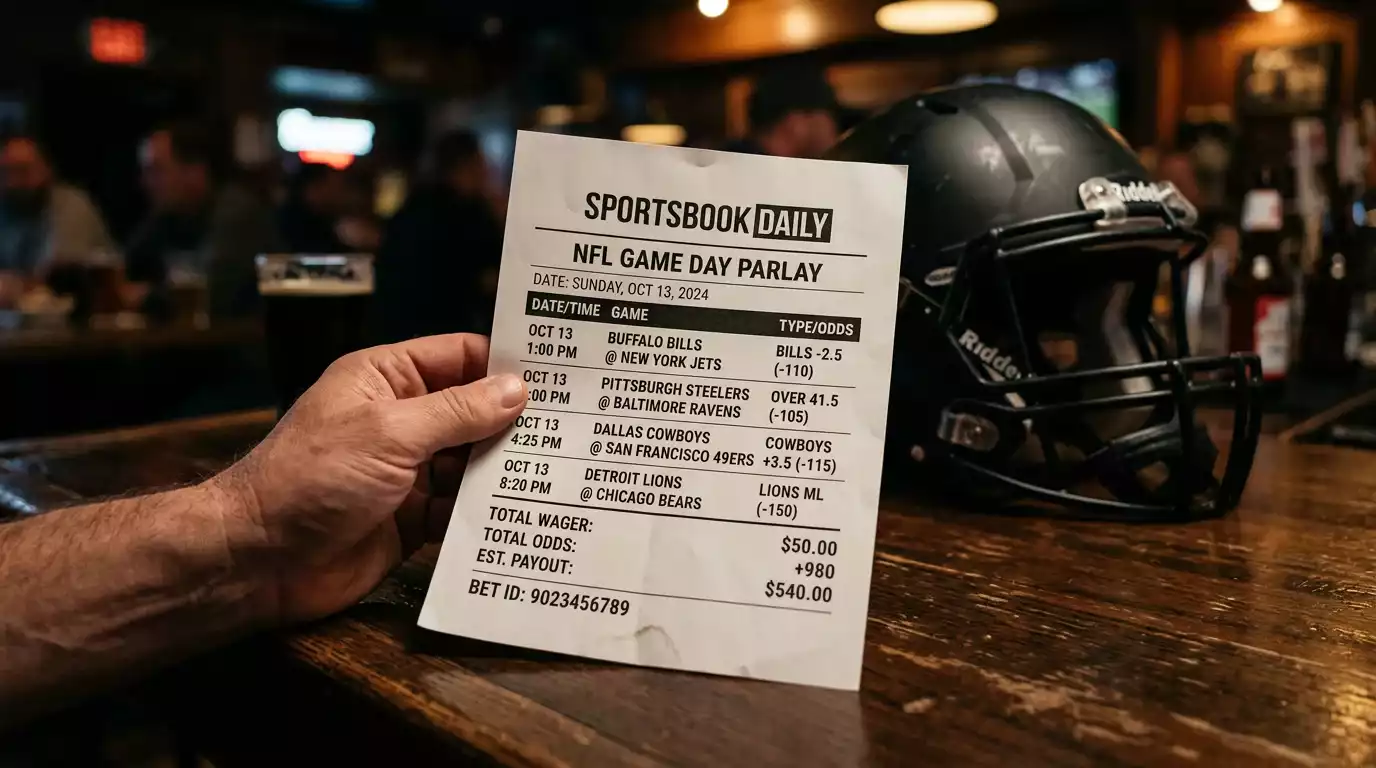
Sixty-three percent of NFL bettors admitted to spending more than they could afford during the 2025 season, per the Optimove NFL Wagering Intentions Report. That figure landed heavily when I first read it – not because it surprised me, but because I recognised myself in it. During my second season of NFL betting, I blew through my bankroll by Week 11 and deposited again the same day. Then again two weeks later. I told myself each deposit was “the last top-up” and that the next winning streak would cover everything. It didn’t. That season cost me money I couldn’t comfortably lose, and the experience reshaped how I approach every subsequent NFL season.
This isn’t a lecture. It’s a practical guide from someone who learned the hard way that the analytical skills required to find value bets and the emotional discipline required to stay within your limits are two entirely different abilities. You can be brilliant at picking winners and terrible at managing the impulse to bet more than you should.
Warning Signs That NFL Betting Is Becoming a Problem
Bill Miller, president of the American Gaming Association, framed the growth of legal betting positively: “No single event brings fans together like the Super Bowl, and this record figure shows just how much Americans enjoy sports betting as part of the experience. By choosing legal, regulated sportsbooks, fans are having fun while supporting a safe and responsible market.” That framing is accurate for the majority of bettors. For a significant minority, though, “fun” stopped being the operative word a long time ago.
The warning signs are specific and recognisable once you know what to look for. Chasing losses – placing additional bets immediately after a loss to recover the money – is the most common. It feels rational in the moment (“I just need one winner to get back to even”) but it’s the mechanism through which a bad day becomes a bad week becomes a bad month. If you’re placing bets specifically to recover previous losses rather than because your analysis identified value, the process has broken down.
Increasing stakes without a corresponding increase in bankroll is another signal. A bettor who started the season with 20-pound bets and is now placing 50-pound bets on the same bankroll hasn’t become more confident – they’ve become less disciplined. The bankroll hasn’t grown to justify the larger stakes; the emotional need to win bigger has overridden the mathematical reality of appropriate bet sizing.
Betting on games you haven’t analysed is a subtler warning sign. During the NFL season, every Sunday offers 14-16 games. The temptation to have action on all of them – because watching a game with money on it is more exciting – leads to uninformed bets on matchups you’ve barely considered. If you’re placing bets to make the viewing experience more intense rather than because you’ve identified a genuine edge, the activity has shifted from strategy to entertainment to compulsion.
Concealing betting activity from family or friends, feeling anxious or irritable when you can’t bet, or spending time that should go to work or relationships on betting research instead – these are signs that the activity has moved beyond recreation. They’re also the signs that people are least likely to acknowledge in themselves, which is why they matter most.
UK Self-Exclusion Tools, Deposit Limits and Support Resources
Ten percent of UK adults participate in online sports betting, per the UK Gambling Commission. The commission requires every UK-licensed bookmaker to provide a suite of responsible gambling tools, and those tools are genuinely useful if you activate them before you need them – not after.
Deposit limits restrict how much you can add to your account within a defined period: daily, weekly, or monthly. Set these at the start of the NFL season based on your bankroll plan. A weekly deposit limit of 50 pounds, for example, physically prevents you from depositing more regardless of how badly the previous week went. The limit takes effect immediately when decreased but has a 24-hour cooling-off period before any increase takes effect – a design that protects against impulsive increases during a losing streak.
Loss limits cap the total amount you can lose within a period. They function differently from deposit limits: even if you have funds in your account, once you’ve lost the limit amount, the platform restricts further betting until the reset date. Not all UK bookmakers offer loss limits as prominently as deposit limits, so check your platform’s responsible gambling settings specifically.
Session time limits alert you after a specified period of continuous use. An NFL Sunday can stretch from 6 PM to past midnight UK time – six or more hours of continuous access to live betting markets. A two-hour session limit triggers a notification that you’ve been active for two hours and asks whether you want to continue. It’s not a hard stop, but the interruption forces a conscious decision to continue rather than letting the hours blur together.
Self-exclusion is the strongest tool available. GAMSTOP is the UK’s national self-exclusion scheme for online gambling. Registering with GAMSTOP blocks your access to all UK-licensed online gambling sites for a minimum of six months, with options for one year or five years. The exclusion is comprehensive and not easily reversed – which is exactly the point. If you’ve reached the stage where deposit limits and session reminders aren’t sufficient, GAMSTOP provides a hard boundary.
The National Gambling Helpline, operated by GamCare, offers free, confidential support to anyone affected by gambling. They can be reached by phone or live chat. BeGambleAware provides information, advice, and referral to treatment services. These resources exist because the gambling industry and regulators recognise that a percentage of bettors will develop problems, and early intervention improves outcomes.
Building Healthy NFL Betting Habits
Fifteen percent of UK men bet on sports compared to 4% of women, per the UK Gambling Commission. Within that betting population, the ones who sustain the activity over years without financial or personal harm share common habits that distinguish recreational enjoyment from problematic behaviour.
They set a season budget before Week 1 and treat it as non-negotiable. The budget is money they’ve specifically allocated to entertainment – the same category as a concert ticket or a holiday. If the budget runs out in Week 12, the betting season ends and they watch the remaining games as fans, not bettors.
They track every bet in a spreadsheet or app, including losses. Tracking creates accountability and makes it impossible to maintain the comfortable fiction that you’re “roughly breaking even” when the numbers show otherwise. The tracking habit also reveals patterns: are you losing more on live bets than pre-game? Are Sunday night impulse bets dragging down your record? Data tells you what intuition hides.
They take regular breaks. Not every week of the NFL season requires betting. Bye weeks, international weeks, and weeks where the analysis doesn’t produce clear value are opportunities to step back without any financial consequence. I take at least two full weeks off during every NFL season – no bets, no research, just watching the games. The break resets my perspective and prevents the cumulative fatigue that leads to declining discipline late in the season.
They talk about it openly. Betting in secret – hiding bet slips, minimising losses in conversation, pretending you bet less than you do – is a behaviour pattern that correlates strongly with problem gambling. Discussing your bets, your results, and your budget with a partner, friend, or fellow bettor introduces external accountability that internal willpower alone can’t provide.
Responsible gambling isn’t a restriction on your NFL betting – it’s the framework that makes long-term NFL betting possible. Without limits, discipline, and self-awareness, the activity consumes itself. With them, it remains what it should be: an intellectually engaging, occasionally profitable, and sustainably enjoyable way to deepen your connection to the sport. If you want to build the analytical foundation alongside these habits, bankroll management principles are the natural next step.
What responsible gambling tools do UK bookmakers offer?
All UK-licensed bookmakers are required to provide deposit limits (daily, weekly, monthly), session time reminders, reality checks, and access to self-exclusion through GAMSTOP. Some platforms also offer loss limits and cool-off periods. Deposit limit decreases take effect immediately, while increases have a mandatory 24-hour delay. These tools are found in the responsible gambling or account settings section of each bookmaker’s app or website.
What percentage of NFL bettors overspend?
Sixty-three percent of NFL bettors acknowledged spending more than they could afford during the 2025 season, per the Optimove NFL Wagering Intentions Report. At the same time, 92% reported being aware of responsible gambling resources. The gap between awareness and behaviour underscores the importance of activating tools like deposit limits proactively – before they’re needed – rather than relying on willpower alone during losing streaks.
Published by the nfl bet of the day team.